
Heat Treatment
Heat treatment is a technologically complex process that requires consideration of numerous factors depending on the treatment type and material being processed. It demands costly equipment and tooling, substantial floor space, and highly qualified specialists.
Volga Production Association №3 LLC provides heat treatment services, as well as metal spectral analysis and hardness testing:
PLACE AN ORDERarrow_forwardQuenching
A type of thermal treatment of metals and alloys based on heating above the critical temperature at which changes occur in the crystal lattice, followed by rapid cooling—most often in water or oil. It is used to increase hardness; however, the metal becomes less ductile, less plastic, and more brittle.
To reduce brittleness and increase ductility after quenching without polymorphic transformation, our specialists apply aging; after quenching with polymorphic transformation, they apply tempering. It should be noted that tempering slightly reduces the hardness and strength of the material.
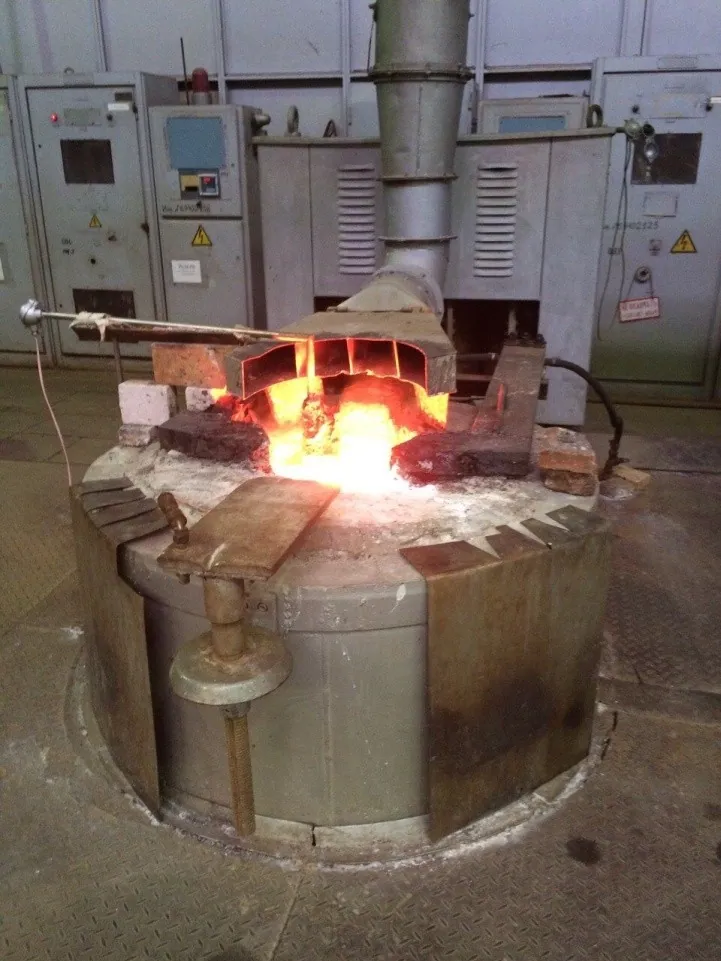
Tempering
This thermal treatment service is performed after metal quenching and is intended to reduce brittleness and achieve higher ductility. The metal is heated from 150–260 °C to 370–650 °C, followed by slow cooling.
PPO №3 LLC performs three types of tempering.
Low-temperature
Performed at temperatures up to 250 °C. The steel retains high wear resistance, but the core remains brittle; such parts should not be used under high dynamic loads. This tempering is used for measuring and cutting tools made of low-alloy and carbon steels.
Medium-temperature
Performed in the temperature range of 350–500 °C and is used mainly for dies, springs, and leaf springs. This tempering provides high elasticity and fatigue strength; material after medium-temperature tempering can withstand external effects for extended periods and retain its properties throughout a defined service life. The part is then cooled in water at 400–500 °C, producing compressive stresses that increase the fatigue limit of springs.
High-temperature
Performed at 500–680 °C. Ductility, plasticity, and high strength are retained. In production, high-temperature tempering is applied to parts subject to impact loads (shafts, gears).
Aging
A type of heat treatment in which the physical and mechanical properties of quenched metal change, with decomposition of a supersaturated solid solution as the primary process. Aging can lead to undesirable changes in metal characteristics—for example, after welding, the weld and adjacent zone become brittle. Aging also has a positive effect when heat treatment is performed to increase strength and other properties through a combination of quenching and aging processes.
In thermal treatment, aging is used as a finishing operation for a special class of structural materials.
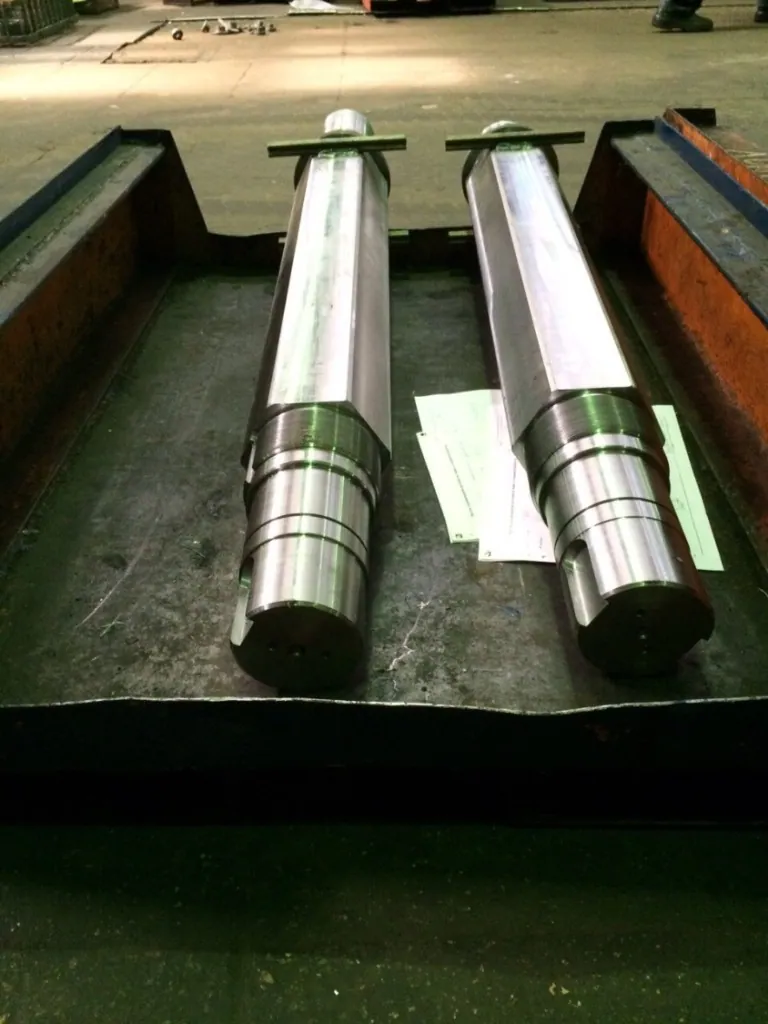
Induction Hardening (IH)
This surface hardening method is widely used in mechanical engineering. It is applied to critical parts that operate under wear and simultaneous impact loads (gears, shafts). The goal of steel hardening is to maximize hardness by obtaining a martensitic structure. This treatment method is characterized by high productivity of surface metal strengthening.
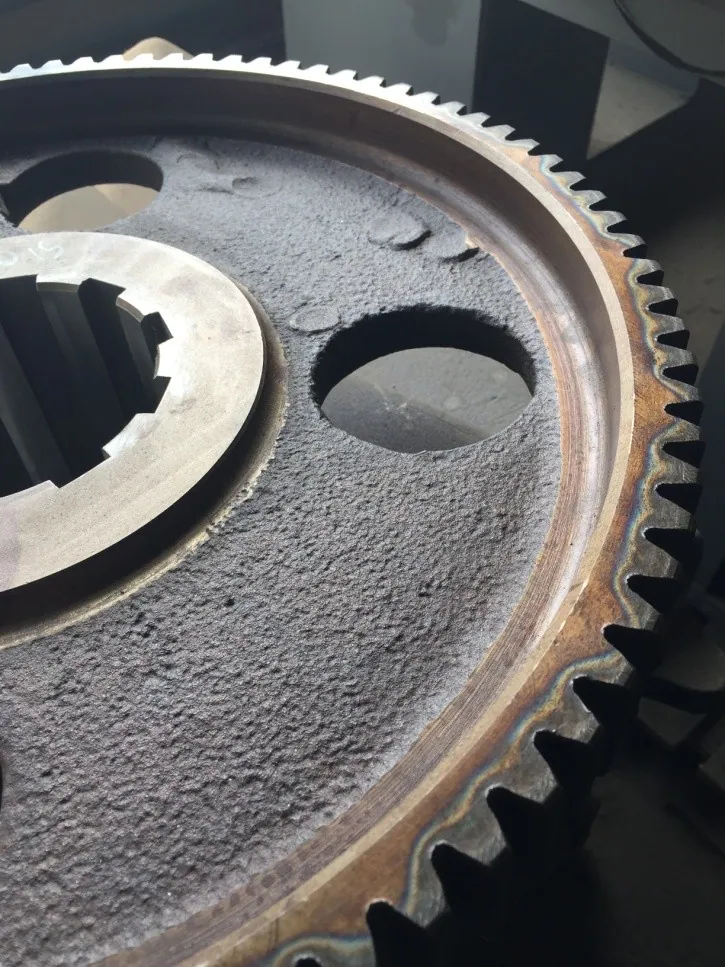
Annealing
PPO №3 LLC offers the "Annealing" thermal treatment procedure, which consists of heating steel above critical temperatures, holding, and subsequent slow cooling to room temperature. The purpose of annealing is to reduce hardness for improved machinability, correct structure, improve cast steel structure, and relieve internal stresses.
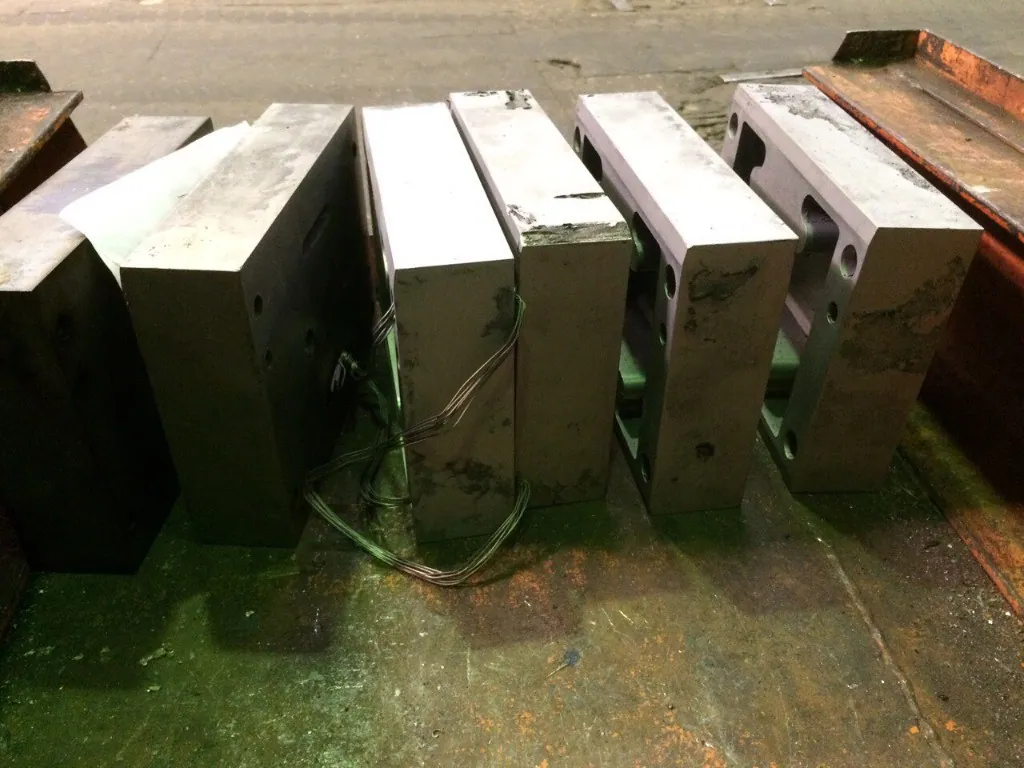
Nitriding
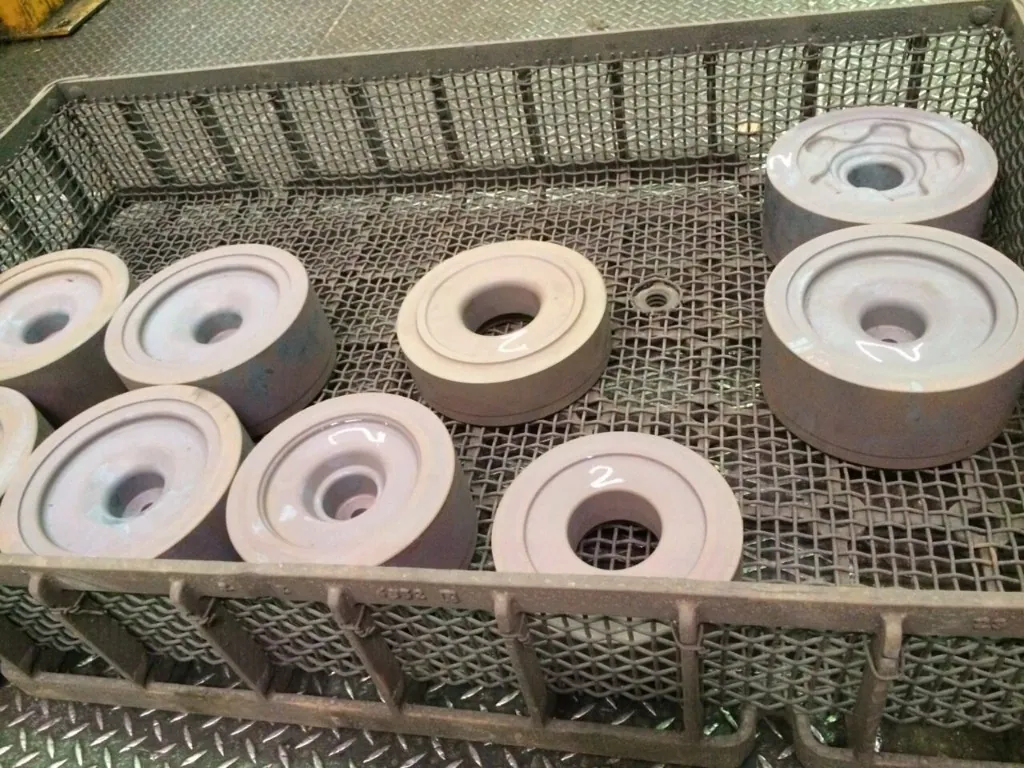
Nitriding consists of saturating the surface layer of steel with nitrogen to impart surface hardness, wear resistance, and fatigue limit to parts. Nitriding also increases corrosion resistance. Nitriding is one of the final operations of heat treatment and the manufacturing process and may be the concluding step. Nitriding is usually performed after grinding. Sometimes final dimensional adjustment by grinding is performed after nitriding. Gears, crankshafts of powerful engines, cams, and bushings are nitrided. Recently, turbine blades and other steam turbine parts have also been nitrided.
Carbonitriding
Used to enhance surface hardness and wear resistance of metal. In this thermal treatment process, the metal surface is simultaneously saturated with carbon and nitrogen, creating resistance to sliding, increasing hardness and elasticity at the material surface. This is a finishing process. With other methods of increasing surface strength, an allowance for subsequent machining must be provided; with carbonitriding, this is not necessary. Inexpensive, easily machinable low-carbon steel is used for carbonitriding to impart surface properties comparable to more expensive steel grades. The hardness of the carbonitrided steel surface reaches 55 to 62 HRC.
Carburizing
Carburizing is a type of thermal treatment that consists of saturating steel with carbon to impart wear resistance and high surface hardness to machine parts, as well as to increase the fatigue limit. In carburized products, the combination of a hard surface layer and a tough, ductile core successfully provides high wear resistance and good impact load absorption. Parts subject to carburizing operate under contact wear and alternating loads—for example, bushings, cams, piston pins, shafts, etc.
Metal spectral analysis and hardness testing
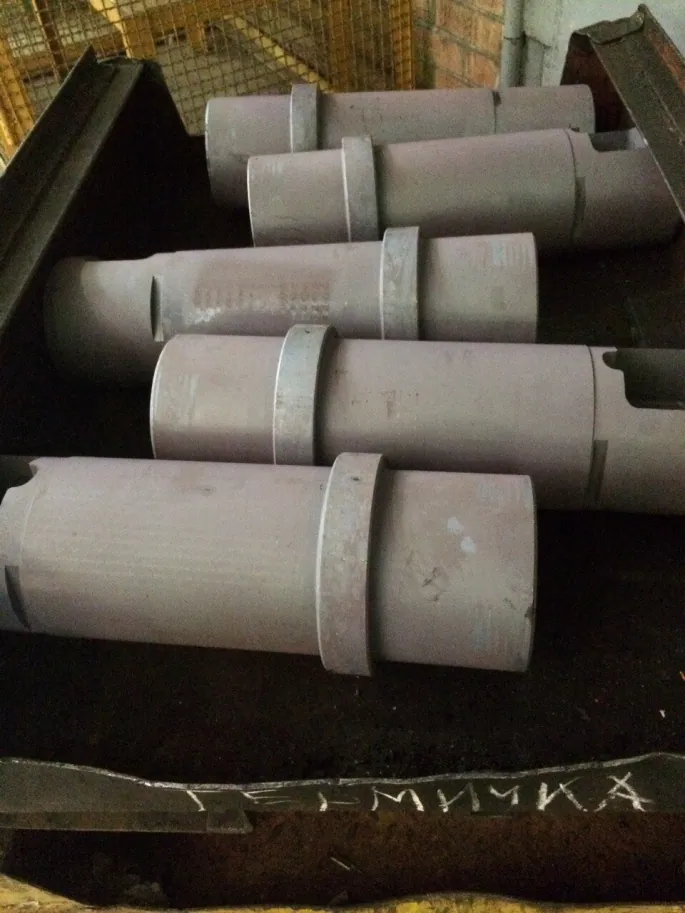
We perform spectral analysis of metal to determine steel grade and chemical composition, as well as hardness measurements of parts and blanks. The service is used for incoming inspection, selecting heat-treatment regimes, verifying drawing compliance, and assessing quality after quenching, tempering, or carburizing.
We work with structural, tool, and alloy steels. Analysis results help confirm material grade, suitability for heat treatment, and actual surface hardness.
- Spectral analysis to determine steel grade
- Chemical composition control
- Hardness testing (HRC and other scales by agreement)
- Support for heat treatment and machining orders
Need heat treatment for your parts?
Submit a request — our specialists will calculate the cost and lead time for your order.
SUBMIT A REQUEST